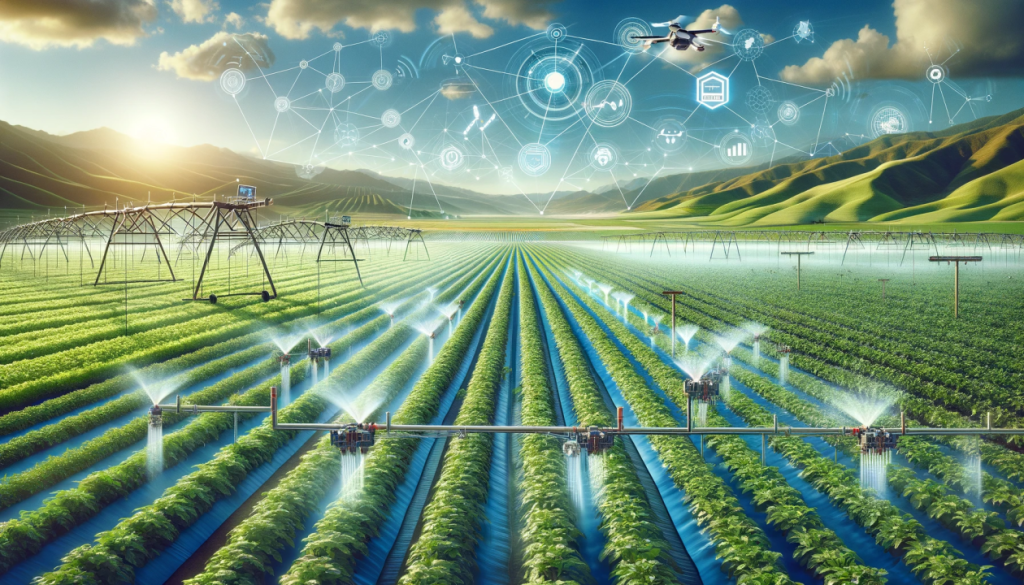
New smart irrigation technologies are an effective solution for all farmers and hobbyists who like gardening but want to save water, yet keeping their plants fresh and green. Innovative and efficient methods of irrigation ensure further growth while minimizing unnecessary water wasting. Below is a general overview of the latest smart irrigation systems and how to apply them.
Drip Irrigation
Concept of Drip Irrigation Drip irrigation is one of the most efficient water-use methods. It connects and supplies water directly to the plant’s roots through specially designed pipes.
Benefits
- Water Conservation: It wastes up to 50% less water.
- Direct Nutrient Delivery: It delivers nutrients to plants very efficiently.
- Automatic Irrigation Systems
- Remote Control Automatic irrigation systems can permit control of irrigation at a distance. It may be programmed for operation times considering the requirement for irrigation.
Further Features
Smartphone Apps: Through smartphone applications, users can easily set changes.
Soil Moisture Sensors: By placing sensors, it monitors the moisture level of the soil, hence applying only that amount of water which is required by the crops.
Sprinkler Irrigation
Smart Sprinkler Systems By using sensors, smart sprinkler systems detect the time to spray and how much to spray
Advantages of Sprinkler Irrigation
Water Coverage: Since sprinklers cover huge areas.
Weather Adaptability: Weather changes will be adopted, and accordingly, the amount of water is changed.
Smart Irrigation Systems on Vertical Farming
Concept of Vertical Farming Vertical farming allows the plants to grow in layers, thus enabling space-saving and increasing production.
Smart Systems: Benefits
Water Economy: Inbuilt irrigation systems allow for an adequate water supply.
Ease in Management: Smart systems facilitate the growers to manage the needs of the plants with ease.
Usage of Solar Energy
Solar Irrigation Systems Intelligent irrigation technique makes use of solar energy to drive water pumps. This has helped in reducing the operating cost.
Environmental Benefits
Energy Efficiency: Reduces consumption of conventional sources of energy.
Sustainable Agriculture: Allows agriculture to be sustainable and preserves the environment for a longer duration.
Conclusion:
Smart irrigation technologies are the best fit for maintaining a balance between water use and plant health. Farmers and gardeners will, by the same token, boost their yields with guaranteed assurance of water resources into the future. With the help of modern developments, it became possible to maintain green and healthy plants while at the same time seriously saving water consumption.